Hong Kong egg puffs: compare a pocket with its connecting edge
A linked sheet of rounded pockets offers a different eating experience from a flat waffle. Hong Kong egg puffs are a useful subject for looking at structure within a single snack. Compare the rounded part with the narrow connections, and let the actual serving tell you what the contrast feels like.
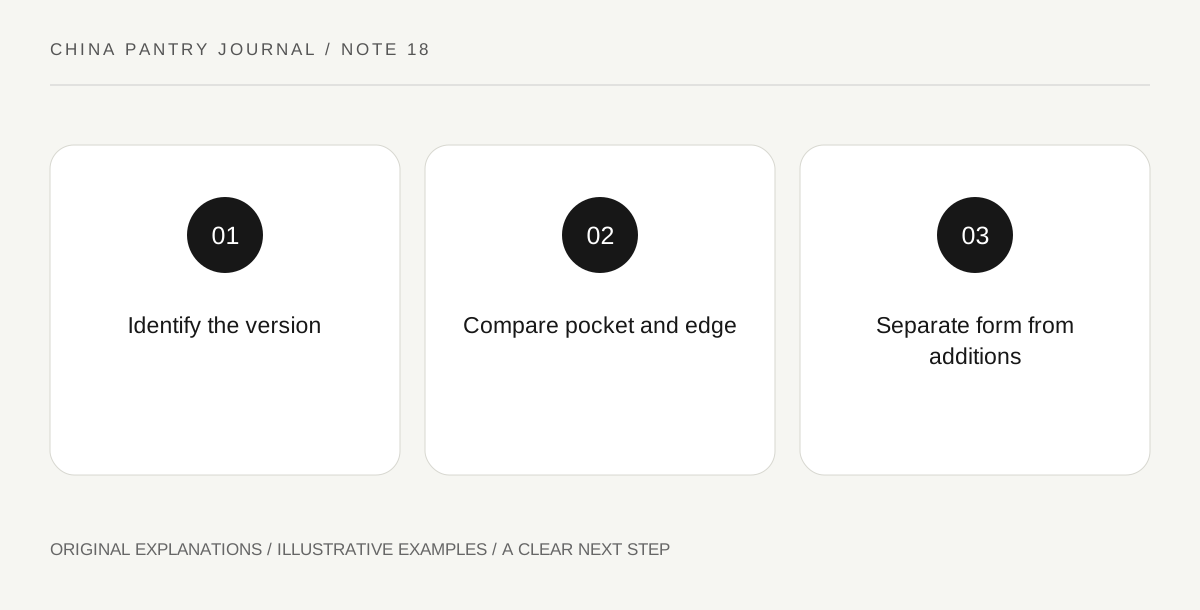
Original explanatory diagram. Read the full method and limitations below.
Begin with the pocketed form
Hong Kong Tourism Board describes the egg puff as a street snack with a crisp shell and softer pockets. Keep that broad form beside the exact menu version. Added flavors or fillings may change what a particular serving contains, so the recognizable shape is not a complete ingredient record. At the counter, identify the named option and any extras before the sheet arrives. This makes the first observation about the food itself rather than about an assumption that every bubble-shaped snack must use one identical formula.
Choose two connected locations
Select a rounded pocket and a connecting edge on a portion suitable for you. Describe their appearance and eating behavior separately, then consider how they work together. There is no need to claim a precise moisture content or cooking temperature from the bite. You are making a sensory comparison within the actual piece. The connected form may encourage breaking off small portions, but use whatever handling is comfortable and appropriate to the serving. The diagram is a way to explain the contrast, not a rule for the only correct way to eat.
Keep the basic form distinct from added presentation
A simple sheet, a filled version and a serving combined with other desserts may require different expectations. Read what the shop offers and decide whether your interest is the pocketed snack itself or the larger composed dessert. Neither choice needs to be presented as a purity test. The useful notebook distinction is between the underlying form and the additions that change its role. A dramatic presentation can be enjoyable while making a direct comparison with a simple version less controlled than it first appears.
Make the record small enough to enjoy the snack
A single contextual photograph, where appropriate, and a two-line note are usually enough for the exercise. Do not let documenting every pocket become the main activity while companions wait. Record the named version, the pocket-and-edge contrast and one optional addition if present. Avoid claiming to have tested a shop’s consistency from one serving. Your personal note can still guide a future order by explaining whether the basic structure or the added presentation mattered most to your enjoyment.
Illustrative food notebook
Illustrative note: a traveler chooses a clearly named plain version and draws two labels, rounded pocket and connecting edge. The observations differ, revealing why the shape matters beyond appearance. A companion orders a composed version with confirmed additions, which receives a separate description. The pair compares the underlying form without claiming the two finished desserts provide a controlled product test.
Questions that come up
Is a photograph enough to establish the texture?
No. It can show form and surface appearance. Texture words should come from the actual experience or be attributed clearly to a source’s description.
Is a version with additions less legitimate?
This guide does not impose an authenticity ranking. Describe what the additions change and choose according to the experience you want.
References and scope
These sources support the factual background. Examples and exercises are original illustrative teaching material. References do not imply endorsement.
- Hong Kong Tourism Board: Hong Kong’s Essential Desserts to Beat the Heat — The egg-puff street-snack form and broad shell/pocket contrast; no shop ranking or current availability claim.